
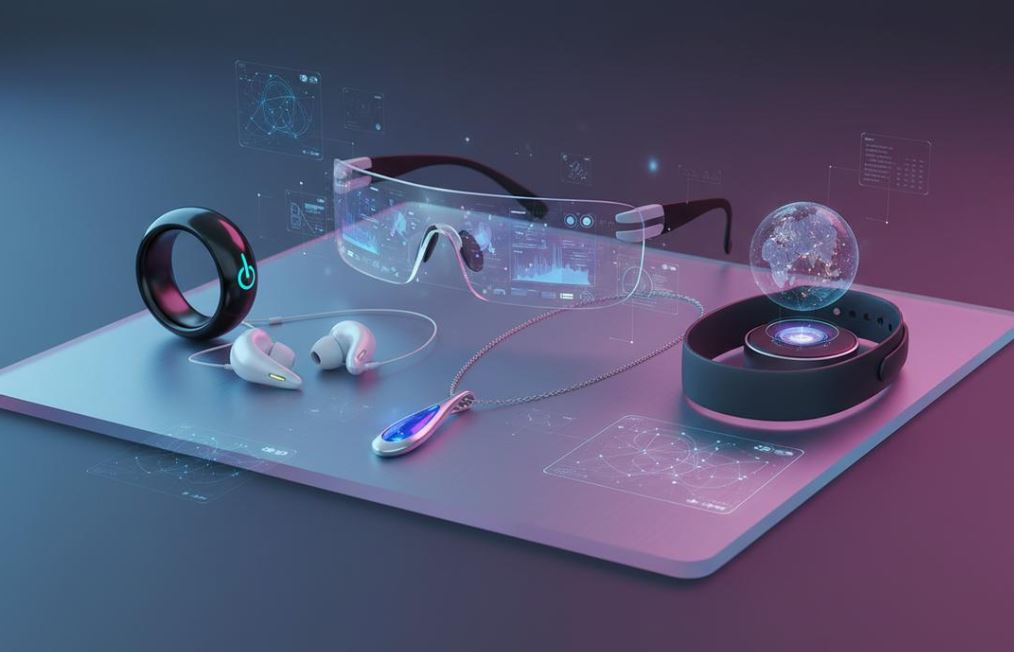
Future AI-Powered Wearables: Transforming the Way We Live
Technology is evolving at an unprecedented pace, and wearable devices are among the most exciting innovations of the modern era. From smartwatches and fitness trackers to smart rings and augmented reality glasses, wearable technology has become an essential part of daily life for millions of people worldwide.
However, the next major leap in wearable technology will not simply come from better sensors or improved battery life—it will come from Artificial Intelligence (AI). As AI continues to advance, wearable devices are becoming smarter, more personalized, and increasingly capable of understanding human behavior, health, and needs.
The future of AI-powered wearables promises a world where devices do far more than collect data. They will analyze, predict, recommend, and even take proactive actions to improve health, productivity, and quality of life.
What Are AI-Powered Wearables?
AI-powered wearables are devices that combine advanced sensors with artificial intelligence algorithms to provide intelligent insights and personalized experiences.
Unlike traditional wearables that simply collect information, AI-powered devices can interpret data and generate meaningful recommendations.
Examples of AI-powered wearables include:
- Smart rings
- Smartwatches
- Fitness trackers
- Smart glasses
- Health-monitoring patches
- AI-assisted hearing devices
These devices continuously gather information and use machine learning to understand patterns and behaviors over time.
The Evolution of Wearable Technology
Wearable devices initially focused on simple functions such as counting steps and tracking exercise.
Over time, manufacturers introduced more sophisticated features including:
- Heart rate monitoring
- Sleep tracking
- Blood oxygen measurement
- GPS navigation
- Contactless payments
The integration of artificial intelligence represents the next stage of this evolution.
Future wearables will move beyond monitoring and become intelligent digital assistants that actively support users throughout the day.
Personalized Health Monitoring
One of the most significant applications of AI-powered wearables will be healthcare.
Future devices will continuously analyze biometric data and provide highly personalized health insights.
Potential capabilities include:
- Early disease detection
- Continuous health assessments
- Personalized wellness recommendations
- Chronic condition management
- Preventive healthcare guidance
Instead of simply reporting data, AI systems will identify trends and warn users about potential health risks before symptoms become noticeable.
Predictive Health Analytics
Predictive analytics is expected to revolutionize personal healthcare.
By analyzing large amounts of physiological data, AI-powered wearables may be able to predict:
- Heart-related issues
- Sleep disorders
- Stress-related conditions
- Fatigue levels
- Respiratory problems
This proactive approach could significantly improve early intervention and reduce healthcare costs.
Future wearables may function as personal health guardians that monitor users around the clock.
Smarter Sleep Optimization
Sleep tracking is already a popular feature in many wearable devices.
Future AI-powered wearables will take sleep analysis much further.
Instead of simply measuring sleep stages, they may:
- Predict poor sleep before it occurs
- Recommend ideal bedtimes
- Adjust smart home environments automatically
- Detect sleep-related health concerns
- Provide personalized recovery plans
AI algorithms will continuously learn from user behavior to optimize sleep quality over time.
Real-Time Stress Management
Stress is a growing challenge in modern society.
Future wearables will use AI to detect stress levels by analyzing:
- Heart rate variability
- Breathing patterns
- Skin temperature
- Physical activity
- Behavioral trends
When elevated stress is detected, the device may immediately recommend:
- Breathing exercises
- Relaxation techniques
- Meditation sessions
- Short breaks
- Physical activity
This real-time support could help users maintain better mental well-being.
AI Fitness Coaching
Traditional fitness trackers provide activity data, but future AI wearables will act as personal trainers.
These intelligent systems may:
- Design customized workout programs
- Monitor exercise technique
- Adapt training intensity
- Prevent overtraining
- Recommend recovery strategies
By continuously learning from performance data, AI coaches will deliver highly personalized fitness guidance.
Enhanced Productivity and Daily Assistance
Future wearables will become increasingly useful in professional environments.
AI-powered devices may help users:
- Manage schedules
- Prioritize tasks
- Reduce distractions
- Improve focus
- Optimize work habits
By understanding user behavior and preferences, wearables can provide timely reminders and intelligent suggestions that enhance productivity.
The Rise of Smart Rings
Smart rings are expected to become one of the most important AI-powered wearable categories.
Their advantages include:
- Compact design
- Comfortable 24/7 wear
- Accurate biometric measurements
- Long battery life
- Discreet appearance
Future smart rings may serve as powerful health and lifestyle assistants while remaining virtually invisible to others.
AI integration will make these devices even more capable of providing meaningful insights and recommendations.
AI and Smart Glasses
Smart glasses represent another exciting area of wearable innovation.
Future AI-enhanced glasses may offer:
- Real-time language translation
- Contextual information overlays
- Navigation assistance
- Object recognition
- Hands-free communication
Combined with augmented reality technologies, smart glasses could fundamentally change how people interact with digital information.
Intelligent Healthcare Ecosystems
Future wearables will likely become part of larger healthcare ecosystems.
Devices may communicate with:
- Hospitals
- Doctors
- Health applications
- Emergency services
- Smart home systems
This interconnected environment could create a seamless flow of health information, improving medical decision-making and patient outcomes.
Privacy and Security Challenges
As wearable devices become more intelligent, they will collect increasingly sensitive information.
Important challenges include:
- Data privacy
- Cybersecurity risks
- User consent
- Ethical AI usage
- Health data protection
Manufacturers will need to implement strong security measures to ensure user trust and regulatory compliance.
Future Innovations
The next decade may bring remarkable advancements to AI-powered wearables.
Potential innovations include:
- Non-invasive glucose monitoring
- Continuous blood pressure tracking
- AI-powered disease prediction
- Emotion recognition systems
- Advanced brain-computer interfaces
- Personalized digital health assistants
These technologies could transform wearable devices from simple gadgets into essential tools for everyday life.
The Impact on Society
AI-powered wearables have the potential to influence multiple aspects of society, including:
- Healthcare
- Education
- Fitness
- Workplace productivity
- Personal safety
- Elderly care
As adoption increases, wearable technology may become as common and indispensable as smartphones are today.
Conclusion
The future of AI-powered wearables is incredibly promising. By combining advanced sensors, machine learning, and real-time analytics, these devices will evolve from passive tracking tools into intelligent companions that actively improve health, productivity, and overall quality of life.
Whether through smart rings, smartwatches, smart glasses, or entirely new forms of wearable technology, AI will redefine the relationship between humans and technology. As innovation continues to accelerate, AI-powered wearables are poised to become one of the most transformative technologies of the coming decade.
This article highlights how quickly technology is advancing. A few years ago, wearables mainly counted steps, and now we’re talking about devices that can analyze health trends and provide real-time recommendations. Amazing progress!