
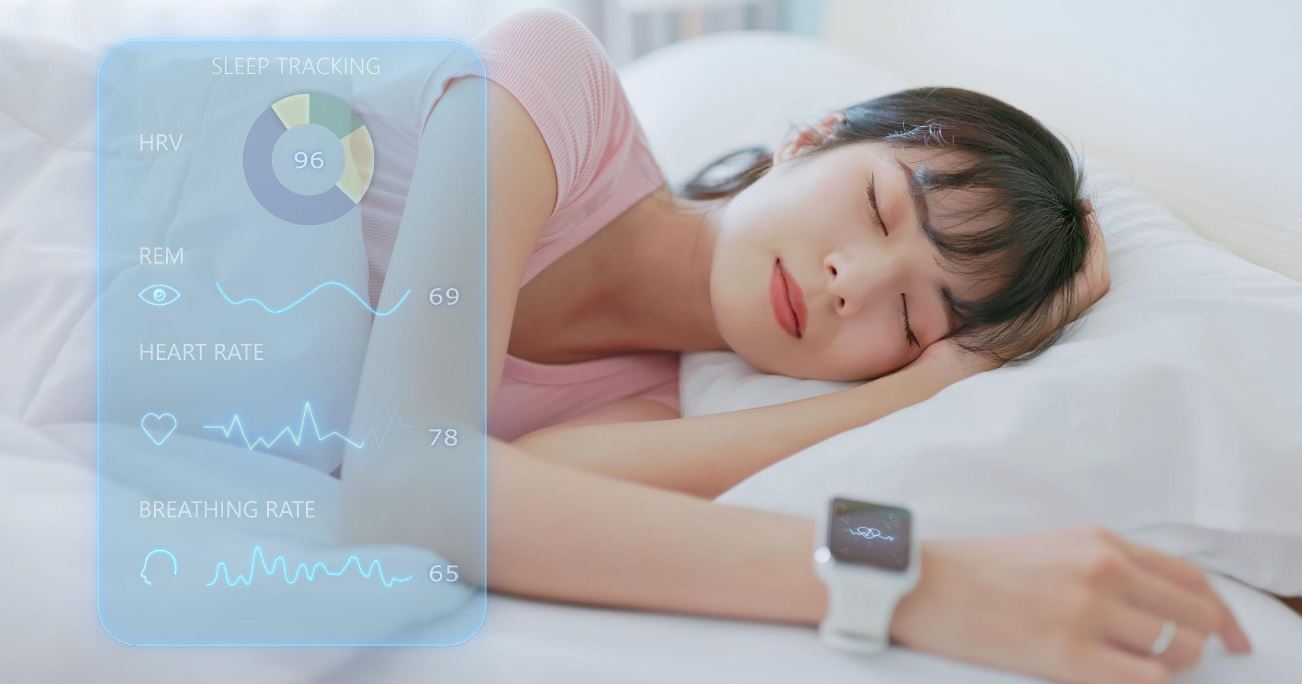
How Wearable Devices Improve Sleep Quality
Sleep is one of the most important pillars of human health. It plays a crucial role in physical recovery, mental well-being, immune function, and overall quality of life. Despite its importance, millions of people around the world struggle with poor sleep habits, insomnia, irregular sleep schedules, and sleep-related disorders.
In recent years, wearable technology has emerged as a valuable tool for helping individuals better understand and improve their sleep patterns. Devices such as smart rings, smartwatches, fitness trackers, and sleep-monitoring bands provide detailed insights into sleep behavior that were once only available through professional sleep studies.
By collecting and analyzing sleep data, wearable devices empower users to make informed decisions that can lead to better rest and improved health outcomes.
Understanding Sleep Quality
Many people assume that sleeping longer automatically means sleeping better. However, sleep quality is often more important than sleep duration.
High-quality sleep involves several factors, including:
- Consistent sleep schedules
- Adequate deep sleep
- Healthy REM sleep cycles
- Minimal interruptions during the night
- Proper recovery and restoration
Poor sleep quality can contribute to fatigue, reduced concentration, weakened immunity, increased stress levels, and a higher risk of chronic health conditions.
This is where wearable technology becomes extremely useful.
What Are Wearable Sleep-Tracking Devices?
Wearable sleep-tracking devices are electronic gadgets designed to monitor various physiological signals while a person sleeps.
Common examples include:
- Smart rings
- Smartwatches
- Fitness bands
- Health-monitoring bracelets
These devices use advanced sensors to collect information such as:
- Heart rate
- Heart rate variability (HRV)
- Blood oxygen levels
- Body temperature
- Movement patterns
- Respiratory activity
The collected data is analyzed using sophisticated algorithms to generate detailed sleep reports and personalized recommendations.
Tracking Sleep Stages
One of the most valuable features of wearable devices is their ability to monitor different sleep stages.
Sleep generally consists of:
Light Sleep
Light sleep acts as a transition between wakefulness and deeper stages of sleep. During this stage, the body begins to relax and prepare for recovery.
Deep Sleep
Deep sleep is essential for physical restoration. During this stage:
- Muscles recover
- Tissues repair
- Immune function strengthens
- Growth hormones are released
A lack of deep sleep can result in physical fatigue and reduced recovery.
REM Sleep
Rapid Eye Movement (REM) sleep is closely associated with:
- Memory consolidation
- Learning
- Emotional processing
- Cognitive performance
Wearable devices estimate how much time users spend in each sleep stage and help identify potential deficiencies.
Identifying Sleep Disruptions
Many individuals are unaware that their sleep is frequently interrupted throughout the night.
Wearable devices can detect:
- Frequent awakenings
- Restlessness
- Irregular movement
- Elevated heart rates
- Breathing irregularities
By identifying these disruptions, users can take steps to address underlying issues and improve overall sleep quality.
Monitoring Heart Rate During Sleep
Heart rate is an important indicator of sleep quality and recovery.
Most wearable devices continuously monitor heart rate throughout the night.
A healthy sleeping heart rate typically indicates:
- Proper recovery
- Reduced stress
- Efficient cardiovascular function
If the device detects unusually elevated heart rates during sleep, users may investigate factors such as:
- Stress
- Illness
- Overtraining
- Poor sleep environments
This information can help users make beneficial lifestyle adjustments.
Measuring Heart Rate Variability (HRV)
Heart Rate Variability (HRV) refers to the variation in time between heartbeats.
Higher HRV often indicates:
- Better recovery
- Stronger resilience to stress
- Improved overall health
Lower HRV may suggest:
- Fatigue
- Excessive stress
- Insufficient recovery
Many modern wearable devices use HRV data to assess sleep quality and provide readiness scores for the following day.
Detecting Stress and Recovery Levels
Stress significantly impacts sleep quality.
Wearable devices can monitor physiological markers associated with stress, including:
- Elevated heart rate
- Reduced HRV
- Increased body temperature
By analyzing these signals, devices can estimate recovery levels and provide personalized insights.
Users can then adjust their daily routines by:
- Practicing relaxation techniques
- Improving sleep schedules
- Reducing caffeine intake
- Increasing physical activity
These adjustments often lead to better sleep outcomes.
Encouraging Better Sleep Habits
One of the greatest advantages of wearable technology is behavioral awareness.
When users can clearly see their sleep data, they become more motivated to improve their habits.
Wearables often encourage users to:
- Maintain consistent bedtimes
- Limit screen exposure before sleep
- Avoid late-night meals
- Create healthier sleep environments
- Follow personalized sleep recommendations
Small improvements in these areas can significantly enhance sleep quality over time.
Personalized Sleep Insights
Every individual has unique sleep patterns and recovery needs.
Modern wearable devices use artificial intelligence and advanced analytics to provide personalized recommendations based on collected data.
Examples include:
- Suggested bedtime adjustments
- Recovery recommendations
- Sleep consistency reminders
- Stress management guidance
- Activity optimization suggestions
This personalized approach helps users develop healthier routines tailored to their specific needs.
Long-Term Sleep Trend Analysis
Another powerful feature of wearable devices is long-term tracking.
Instead of focusing on a single night, users can monitor trends over weeks and months.
Long-term analysis helps identify:
- Seasonal changes in sleep quality
- Effects of exercise routines
- Impact of work schedules
- Influence of travel and jet lag
- Lifestyle factors affecting sleep
These insights provide a comprehensive understanding of sleep behavior and allow for continuous improvement.
The Role of Smart Rings in Sleep Tracking
Smart rings have become particularly popular for sleep monitoring.
Compared to larger wearable devices, smart rings offer several advantages:
- Lightweight design
- Comfortable overnight wear
- Continuous monitoring
- Long battery life
- Accurate biometric measurements
Because they are worn on the finger, smart rings can often capture physiological signals with impressive precision while remaining virtually unnoticed during sleep.
Future Developments in Sleep Technology
The future of wearable sleep technology is highly promising.
Emerging innovations may include:
- More accurate sleep-stage detection
- Early warning systems for sleep disorders
- Enhanced respiratory monitoring
- AI-powered sleep coaching
- Personalized health interventions
- Advanced recovery analytics
As technology continues to evolve, wearable devices will become even more effective tools for improving sleep and overall health.
Conclusion
Wearable devices have revolutionized the way people understand and improve their sleep quality. By tracking sleep stages, monitoring heart rate, measuring recovery, detecting disruptions, and providing personalized recommendations, these devices offer valuable insights that were once unavailable to the average person.
Whether through a smartwatch, fitness tracker, or smart ring, wearable technology empowers individuals to take control of their sleep habits and make informed decisions that support long-term health and well-being. As innovation continues, wearable sleep-tracking devices are likely to become an essential part of modern healthcare and personal wellness.